
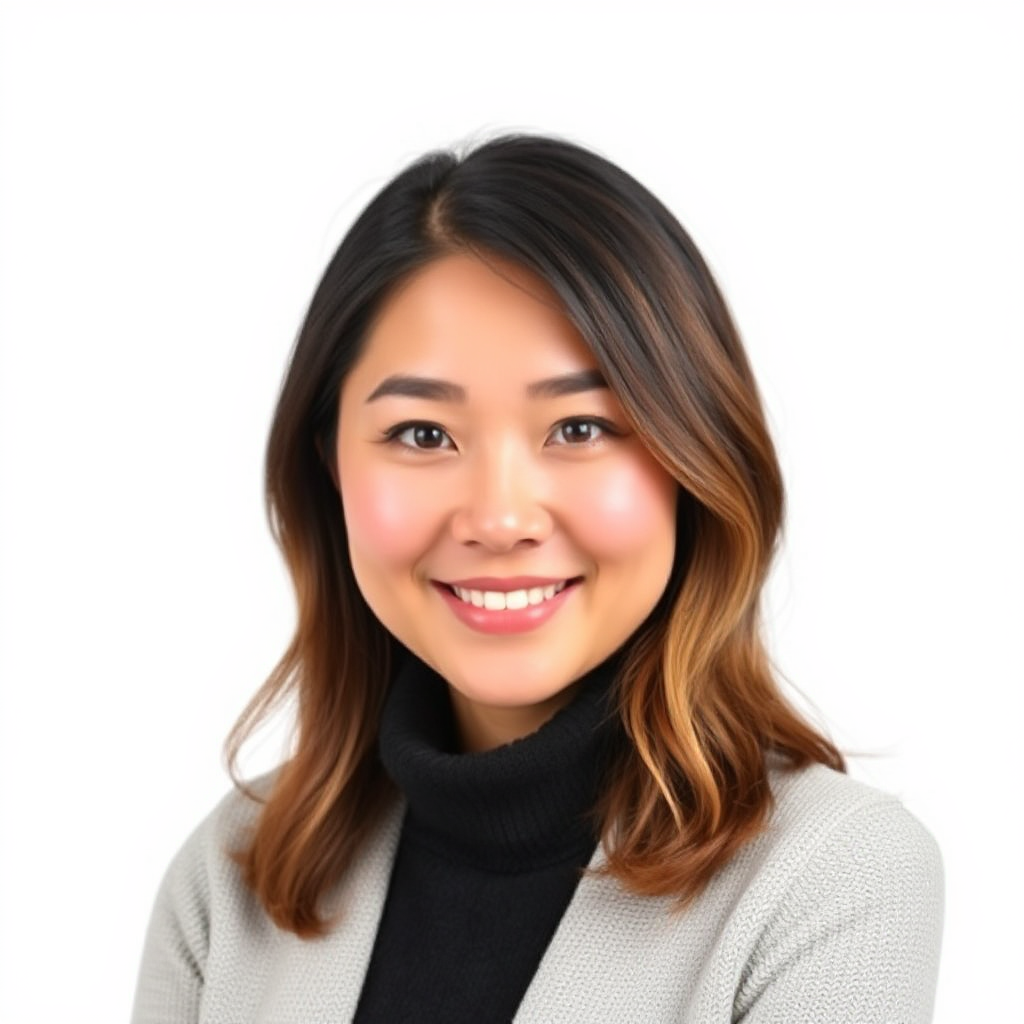
"Once, I went to a children's day fair and ended up sitting next to a rival politician. He was holding a pile of 100 baht notes to give away to the children, while I had come without gifts. How could I contend with that?"
Chutiphong Pipoppinyo was a member of the "idealistic tide" of idealistic young candidates who shocked Thailand in the 2023 election by winning more seats for the reformist political group than any rival party.
In the recent poll, however, he forfeited his seat in his home province of Rayong to a rival from an long-standing political dynasty which has historically occupied leadership roles there.
"In 2023 we were like a storm that swept through and the other parties were unprepared to fight back. They assumed I was only a no-name candidate. The surge of support for Move Forward in the last phase of that election genuinely persuaded voters to try change."
Now called the People's Party, their hopes that they would build upon their previous results were shattered on the shoals of old-style favor-based structures which have controlled regional politics in Thailand during its recent past.
The outcomes are still not official, and a several election issues are being probed, but that will not alter the overall outcome: a sharp drop of in excess of 20% in the number of seats won by the People's Party, and a significant increase by the traditionalist Bhumjaithai party, boosting its number of seats from 71 in 2023 to an projected 193 in the 500-seat parliament this year.
'They did not address me after that'
After winning his seat in 2023, Chutiphong immersed himself in his position, touring his district aiming to help solve the issues faced by his constituents. But he swiftly met pushback from those loyal to the long-standing influential figures. Moreover, he found he was required to provide financial support, from resources he just did not have.
"I was invited to a female empowerment event - a common activity for the residents to participate in and enjoy themselves. But they informed me if I wished to come, I had to give 25,000 baht. I told them I didn't have that money. They were very unhappy about that and said I was cold-hearted. I inquired if there was an alternative I could contribute. But they ceased communicating with me from then on."
What he had encountered was a long-standing structure of favoritism run by a particular family.
Rayong is best known as part of the Eastern Economic Corridor, Thailand's biggest economic area, housing many of the plants which drive its export-dependent economy. This has drawn migrant workers from other regions, and also created an urban middle class which is more receptive to the change-oriented platforms of the reformist groups.
In 2023, Move Forward secured all five constituencies there.
But a lot of Rayong is remains rural, inhabited by agricultural workers and fruit growers. This is especially the case in District 4, where Chutipong secured his seat. He is a native son, but lived time living in California. The province has for decades been controlled by a influential family dynasty, the Pitutecha family. This is what is known in Thailand as "Big House" – big house – politics, and throughout the country it is the method provincial control has always been exercised.
Pitutechas manage extensive sections of the local government.
Piya 'Chang' Pitutecha, the sitting family head, is the selected chief of the Provincial Administration Organisation (PAO), a extremely important role as the PAO oversees the bulk of government spending in Rayong.
Prior to 2023, Pitutechas had consistently been counted among the MPs chosen to parliament, with one being the deputy health minister in Bangkok.
Similar to other "Big House" clans they have no particular loyalty – over time they have stood for several political parties. They are also notable in the regional commercial sector, and, in contrast to Chutipong, have ample financial resources to distribute. It was practically unfeasible for the new MP to contend.
The "Big House" rely on vast systems of canvassers - residents who know their areas, and who rally voters to back their candidate. And while it is formally prohibited, they also hand out money throughout elections. They have traditionally been critical to the success of provincial hopefuls, and as a novel, predominantly city-based movement, the People's Party had did not possess them.
"Therefore I modified my approach," states Chutipong. "I stated that I would seek to address any issues promptly. If your water doesn't run, your electricity isn't on, your road has damage, I would respond."
"But the locals who called me in then encountered coercion from the network. Some were attacked in the village's messaging app or over the PA system in the village. They were blamed of allowing me - a stranger they said - into the area."
"On occasions when I tried to visit factories after getting some complaints about pollution, I faced a backlash from local communities because they had been accepting envelopes from these factories."
During the 2026 campaign, the Pitutechas had learned from their defeat in the prior election.
In those electoral areas, they ran more youthful members of the family, more qualified and with a reduced godfather image than the established figures. In District 3 they stood under the Democrat party, traditionally their chosen political partner, but in District 4, thirty-four-year-old Chatchai Pitutecha stood under Prime Minister Anutin Charvirakul's Bhumjaithai party, renowned for its substantial resources and its ability in winning "Big House" over to his side.
Chutipong was outgunned.
The Pitutechas recaptured both seats back from the People's Party, even though the the party held onto three seats in Rayong.
"They might have welcomed me if I had offered them money, but I could not do that permanently given my financial constraints. I had to determine whether I would be the MP they expected, or whether I would hold onto my principles and test if the constituents would


